
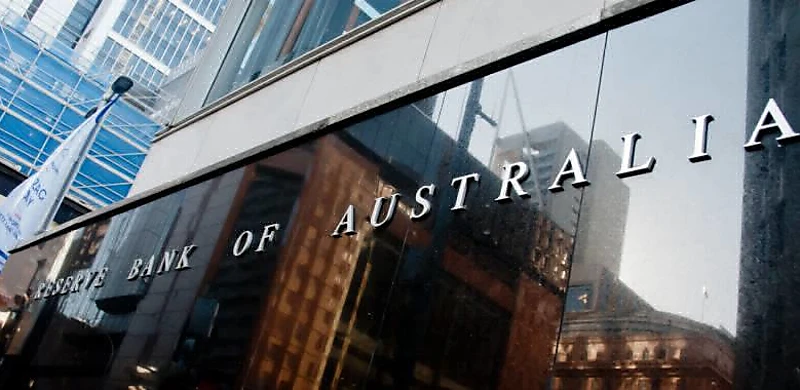
The Reserve Bank of Australia (RBA) has decided to keep the official cash rate unchanged at 4.35%, providing temporary relief for mortgage holders and businesses across the country.
While many Australians were hoping for signs of future rate cuts, the RBA has made it clear that inflation remains a significant concern and further interest rate increases cannot be ruled out if economic conditions require additional action.
Why Did the RBA Keep Rates Unchanged?
According to the RBA, previous interest rate increases are still working their way through the economy. The Board believes more time is needed to assess the full impact of higher borrowing costs on household spending, business investment and inflation.
Although inflation has eased from its peak, it remains above the RBA’s target range of 2–3 per cent.
As a result, the central bank remains cautious and continues to prioritize bringing inflation under control.
Inflation Remains the Key Challenge
The RBA has identified inflation as the biggest economic challenge facing Australia.
Several factors continue to place pressure on prices, including:
- Rising energy costs
- Fuel price volatility
- Housing and construction expenses
- Global economic uncertainty
- Ongoing supply chain disruptions
The Bank has emphasized that reducing inflation remains essential for maintaining long-term economic stability.
Higher Prices Are Here to Stay
One important message from the RBA is that lower inflation does not mean lower prices.
Many Australians are still experiencing higher living costs because prices have already increased significantly over recent years. The goal of monetary policy is to slow future price growth rather than reverse previous price increases.
For households, this means careful budgeting and financial planning remain important despite inflation gradually moderating.
What Does This Mean for the Australian Property Market?
The decision to keep rates unchanged provides some certainty for buyers, homeowners and investors.
However, borrowing costs remain significantly higher than they were just a few years ago.
Key impacts on the property market include:
Home Buyers
Prospective buyers may benefit from greater confidence and stability in lending conditions.
Property Investors
Investors continue to face higher financing costs but may also benefit from strong rental demand and limited housing supply across many Australian cities.
Existing Homeowners
Mortgage repayments remain elevated, particularly for borrowers who transitioned from fixed-rate loans to higher variable rates.
What About Future Interest Rate Increases?
The RBA has not ruled out additional rate rises.
If inflation remains persistent or global economic developments place further pressure on prices, the Bank may consider further tightening measures.
This means Australians should not assume the interest rate cycle has ended.
Future decisions will depend heavily on:
- Inflation data
- Wage growth
- Employment figures
- Consumer spending
- Global economic conditions
Impact on Migration and International Students
Australia remains one of the most attractive destinations for migrants and international students despite higher interest rates.
The country’s strong labour market, high quality of life, world-class education system and long-term economic stability continue to attract global talent.
However, higher living costs and housing affordability challenges are becoming increasingly important considerations for new arrivals.
Many migrants and students are now exploring regional cities such as Adelaide, where housing remains more affordable compared to Sydney and Melbourne.
Looking Ahead
The RBA’s decision to maintain the cash rate at 4.35% signals a careful balancing act between controlling inflation and supporting economic growth.
While households may welcome the pause, the message from the central bank is clear: inflation remains the priority, and further action may be required if price pressures persist.
For homeowners, investors, migrants and businesses, remaining informed and financially prepared will be critical as Australia navigates the next phase of its economic cycle.
Conclusion
Australia’s cash rate remains at 4.35%, but uncertainty remains around the path ahead. The RBA continues to focus on reducing inflation while maintaining economic stability.
Whether you are planning to buy property, invest, migrate or study in Australia, understanding the broader economic environment will help you make more informed decisions in 2026 and beyond.